
TMS different from standard TMS
Transcranial Magnetic Stimulation (TMS) has emerged as a powerful treatment option for individuals struggling with mental health conditions such as depression, anxiety, OCD, and PTSD. It has become especially valuable for those who have not responded well to traditional therapy or medication. As awareness grows, many people are learning that there are different types of TMS available, leading to the common question: “Is deep tms near me different from standard TMS?” Understanding the differences can help patients make informed decisions about the treatment that may best suit their needs.
Standard TMS, also known as repetitive TMS (rTMS), uses a magnetic coil placed on the scalp to stimulate targeted areas of the brain involved in emotional regulation. The coil sends magnetic pulses that help activate neurons and strengthen healthier neural pathways. This method typically focuses on specific surface-level regions, such as the dorsolateral prefrontal cortex, which is often linked to depressive symptoms. Standard TMS has been widely studied and is FDA-approved, providing relief for many patients who did not benefit from medication alone.
Deep TMS, on the other hand, uses a specially designed H-coil that allows magnetic stimulation to penetrate deeper and broader areas of the brain. Because it reaches deeper structures, deep TMS can target networks that may not be accessible with standard coils. This expanded reach can be beneficial for individuals whose symptoms are rooted in deeper brain circuitry or who have not responded well to standard TMS. Deep TMS is also FDA-approved for treatment-resistant depression and obsessive-compulsive disorder, and ongoing research suggests potential benefits for additional conditions.
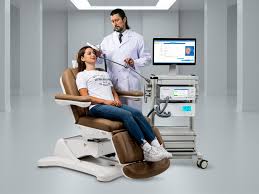
Is deep TMS different from standard TMS?
One of the most significant differences between the two forms of TMS lies in the coil design and depth of stimulation. While standard coils typically reach about 1 to 2 centimeters below the skull, deep TMS can reach 4 to 5 centimeters, allowing clinicians to impact larger neural networks. Because of this, session experiences may vary slightly, with deep TMS sometimes producing stronger sensations during treatment. However, both types remain non-invasive and are generally well tolerated, with minimal side effects and no need for anesthesia or recovery time.
Another distinction involves treatment protocols. Deep TMS sessions may be shorter depending on the condition being treated, and some patients may begin noticing results sooner due to the broader stimulation pattern. However, response varies from person to person, and both forms require a consistent schedule over several weeks to achieve long-lasting improvement. Clinicians determine which approach is most appropriate by evaluating medical history, symptom severity, and prior treatment response.
Individuals researching “tms near me” will likely find clinics offering both standard and deep TMS, depending on specialization and equipment availability. Speaking with an experienced provider is the best way to understand which method aligns with personal needs and goals. A thorough consultation typically includes progress tracking, personalized mapping, and an explanation of expected outcomes.
So, is deep TMS different from standard TMS? Yes, they differ mainly in depth of brain stimulation, coil technology, and potentially the types of conditions they target. Both have strong scientific support and offer hope for those seeking alternatives to traditional mental health treatment. Choosing between them is best done with expert guidance, ensuring patients receive individualized care designed to support the best possible results.
